
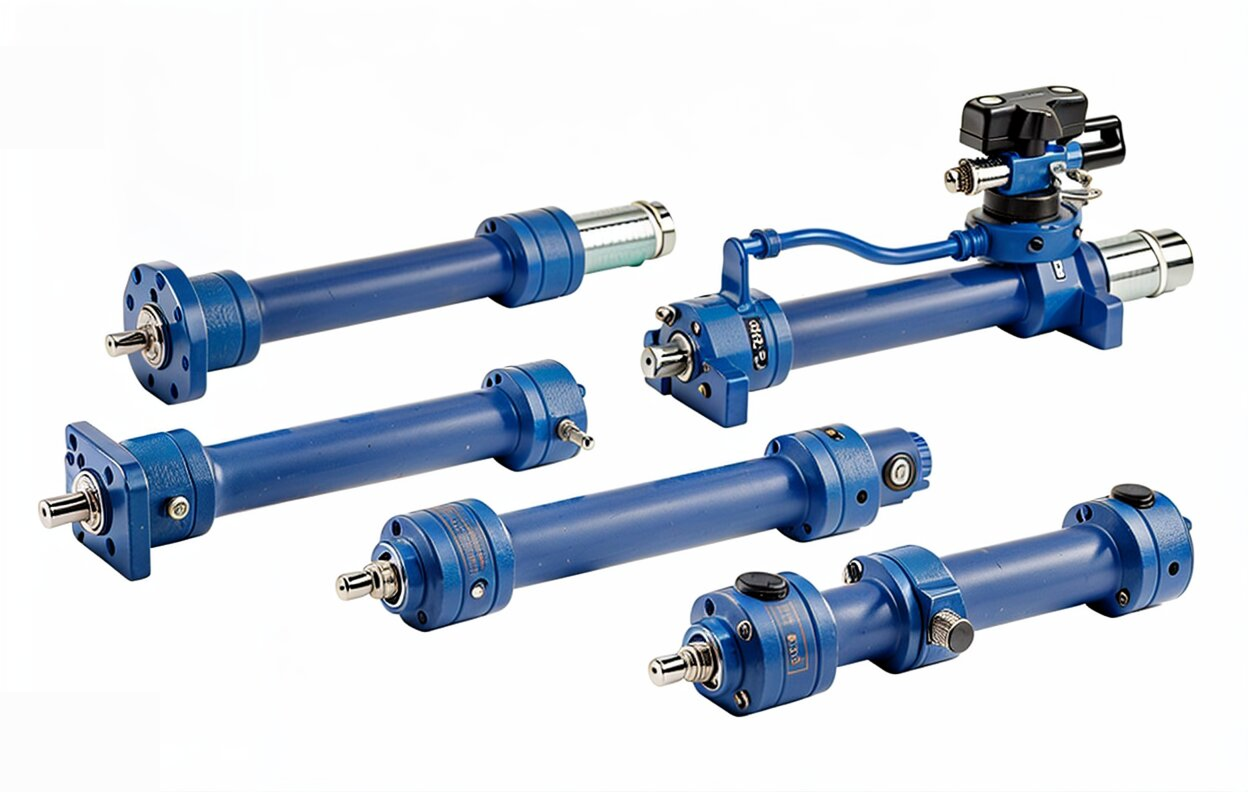
Hydraulic machinery keeps modern industries moving. From construction sites to manufacturing units, these systems rely on one primary component to create linear force: the hydraulic cylinder. By converting pressurized fluid into mechanical power, these parts push, pull, lift, and lower heavy loads daily.
However, choosing the right machinery for a specific project requires a clear understanding of the different types of hydraulic cylinders. Each configuration features unique assembly styles, strength profiles, and length capabilities. Using the wrong model can lead to rapid component failure or system downtime.
This blog clarifies the differences between three prominent variations: tie-rod, welded, and telescopic cylinders. By learning how they function, where they work best, and how their designs compare, you can pick the ideal option for your business operations.
1. Tie-Rod Hydraulic Cylinders
Tie-rod cylinders represent one of the most common designs in industrial automation and plant machinery. Their defining structural trait is the use of high-strength, threaded steel rods placed outside the main cylinder barrel. These external rods run along the length of the housing, fastening the two end caps securely to the central tube.
Key Characteristics and Mechanics
- Standard Pressure Limits: Most models handle standard operating forces ranging from 1,000 PSI to 3,000 PSI.
- National Standards: Manufacturers construct these models according to NFPA (National Fluid Power Association) guidelines, which ensure that parts from different brands remain interchangeable.
- Ease of Repair: The external rods allow technicians to take the cylinder apart using basic hand tools. You can quickly unbolt the rods to replace internal seals or worn components on the shop floor.
Best Applications
Because they are easy to fix and follow standardized dimensions, tie-rod models are highly popular in factory assembly lines, plastic molding equipment, machine tools, and small material-handling systems. They perform exceptionally well in controlled environments where extreme debris or immense shock loads are not present.
2. Welded Hydraulic Cylinders
When an application demands structural strength or faces strict space limitations, a welded hydraulic cylinder becomes the go-to solution. Instead of relying on external rods, manufacturers weld the rear end cap directly onto the main steel barrel. The front cap, or gland, typically screws or snaps into the front section of the tube.
Key Characteristics and Mechanics
- High-Pressure Thresholds: The heavy-duty welded body can easily endure intense operating forces, often exceeding 5,000 PSI.
- Compact Body Profile: The absence of bulky external rods reduces the outer width of the cylinder. This slim build allows operators to install the machinery into narrow mechanical spaces.
- Resistance to Wear: Welded joints prevent the barrel from stretching under immense loads, which helps avoid oil leaks and internal seal damage over long cycles.
Best Applications
You will find welded models in rugged, heavy-duty environments. They serve as the core muscle for mobile machinery, including mining excavators, heavy forklifts, agricultural tractors, and material-handling cranes. Their durable design withstands the constant vibration and outdoor exposure common to these field operations.
3. Telescopic Hydraulic Cylinders
Standard cylinders feature a single rod that moves out of a fixed barrel, which limits their reach based on the length of the main housing. A telescopic hydraulic cylinder solves this limitation by acting like a collapsible spyglass. It contains multiple nested steel sleeves, known as stages, that slide out sequentially to provide an exceptionally long reach from a short starting body.
Key Characteristics and Mechanics
- Massive Stroke-to-Closed Ratio: The main benefit is the ability to extend up to four or five times its collapsed length. This design fits into tight spaces while offering maximum lifting height.
- Single and Double-Acting Variations: Single-acting models use fluid pressure to push the stages outward and rely on gravity or external loads to push them back down. Double-acting versions use pressurized fluid to force the stages both outward and inward.
- Delicate Stage Management: Because the nested sleeves grow thinner as they extend, operators must manage lateral side loads carefully to prevent bending.
Best Applications
Telescopic models are ideal for equipment that requires a long reach but has limited storage space. They are widely used in dump trucks, utility lift vehicles, garbage packers, and deep-reach maritime cranes.
Technical Comparison: Tie-Rod vs Welded Hydraulic Cylinder
Choosing between a tie-rod vs welded hydraulic cylinder requires looking at specific operational factors. The table below breaks down how these two core designs compare in real-world scenarios:
| Feature | Tie-Rod Cylinders | Welded Cylinders |
| Max Pressure Range | Generally up to 3,000 PSI | Can exceed 5,000 PSI |
| Space Required | High (needs room for external rods) | Low (sleek, narrow design) |
| Maintenance Need | Simple, fast seal replacement | Requires specialized tools or cutting |
| Durability Level | Moderate; rods can stretch under stress | High; rigid welded body resists flexing |
| Customization | Standardized NFPA sizes | Highly customizable for specific shapes |
How to Select the Right Cylinder Type
To pick the correct cylinder configuration for your machinery, ask yourself the following structural questions:
- What are the space constraints? If you have plenty of room and need easy maintenance, select a tie-rod model. If the installation space is narrow, choose a compact welded model.
- How much force do you need? For everyday industrial tasks under 3,000 PSI, tie-rod units work perfectly. For extreme lifting or high-pressure mobile machinery, pick a welded design.
- What is the required extension distance? If your equipment needs to lift a load very high but must store the cylinder in a small frame, a telescopic model is the only practical solution.
Power Your Machinery with Dynamic Industries
Understanding the distinct features of the various types of hydraulic cylinders, that is, tie-rod, welded, and telescopic, ensures your heavy machinery functions safely and efficiently. Tie-rod models offer unmatched ease of repair for standard factory tasks, while welded units provide the rugged power needed for high-pressure outdoor equipment. Meanwhile, telescopic designs deliver maximum reach in space-limited setups.
Dynamic Industries provides top-tier engineering solutions for industrial operations across the UAE. The company offers a comprehensive range of premium fluid power components, custom-engineered systems, and expert repair services tailored to your specific mechanical needs. The team ensures your equipment maintains optimal uptime under the most demanding conditions. Explore the complete product lineup and speak with a technical specialist today by visiting the official website at Dynamic Industries.
Frequently Asked Questions
Q1: What is the main difference between single-acting and double-acting cylinders?
Single-acting cylinders use fluid pressure to move the rod in one direction and rely on gravity or springs to return. Double-acting cylinders use fluid power for both extension and retraction.
Q2: Can you repair a welded hydraulic cylinder at your facility?
Yes. While tie-rod models open easily with standard wrenches, fixing a welded model requires professional workshop tools to unscrew the front gland lock or cut and reweld the casing safely.
Q3: Why do telescopic cylinders require careful alignment during installation?
Because the nested stages become thinner as they extend, they are vulnerable to side forces. Proper structural alignment prevents the long, extended rod sleeves from bending or binding under heavy weight.
Q4: Are tie-rod cylinders interchangeable between different manufacturing brands?
Yes. Most industrial tie-rod cylinders follow strict NFPA mounting standards. This allows you to replace a worn cylinder from one brand with a unit from another manufacturer without modifying your machine.
Q5: Which cylinder type handles heavy outdoor environmental debris best?
Welded cylinders handle harsh environments best. Their smooth, rodless exterior prevents dirt accumulation, and their rugged seals protect internal parts from sand, water, and heavy mud common on construction sites.