
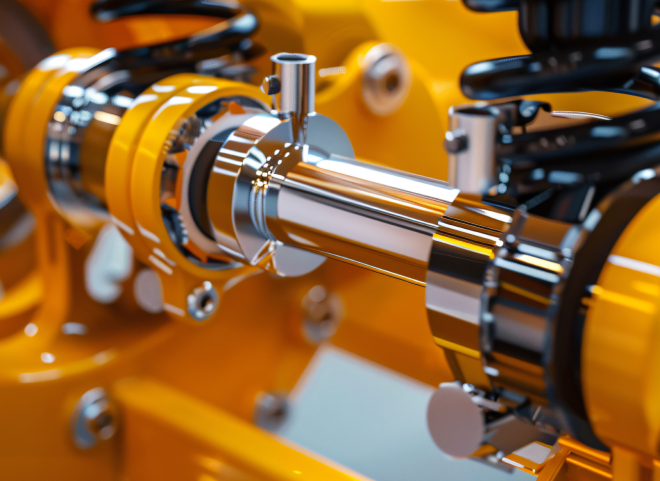
Hydraulic systems power a wide range of industrial equipment, including manufacturing lines, construction gear, marine vessels, oil rigs, and mining machinery. When running well, they deliver smooth, precise, efficient performance. But even small problems, if ignored, can snowball into breakdowns, expensive repairs, lost production time, and safety hazards.
The good news is that hydraulic systems usually warn you before things go seriously wrong. Strange noises, overheating, leaks, or sluggish machinery are all signs of hydraulic system failure worth watching for. Catching these early saves downtime and maintenance costs.
Here are the five biggest warning signs, their causes, and how maintenance keeps things running smoothly.
Why You Should Never Ignore Hydraulic System Issues
A hydraulic system works by moving pressurized fluid to transmit power, so even a minor issue can disrupt pumps, cylinders, valves, and hoses.
Putting off repairs usually leads to:
- More equipment downtime
- Higher repair and replacement costs
- Lower productivity
- Increased energy consumption
- Faster wear on hydraulic components
- Greater safety risks for operators
Regular inspections and prompt maintenance go a long way toward preventing small faults from turning into major failures.
1. Unusual Noises During Operation
A healthy hydraulic system runs quietly and consistently. Whining, knocking, grinding, or banging sounds are the system’s way of telling you something’s off.
Usually, it comes down to:
- Trapped air in the system (aeration)
- Low hydraulic fluid levels
- A worn hydraulic pump
- Loose fittings or damaged hoses
- A clogged filter restricts oil flow
When air gets into the fluid, it forms tiny bubbles that collapse under pressure, a process called cavitation, which can gradually wear down pump components and shorten the system’s lifespan. Left unaddressed, this can end in full pump failure and unplanned downtime.
2. Slow or Inconsistent Machine Performance
If your equipment suddenly feels sluggish, cylinders move slower, lifting gear struggles to hit normal speeds, or movements just aren’t consistent anymore, it’s time for an inspection.
Common causes include:
- Internal hydraulic leaks
- Low operating pressure
- Contaminated hydraulic oil
- Worn cylinder seals
- Blocked hydraulic filters
- A failing hydraulic pump
Beyond the obvious productivity hit, sluggish performance puts extra strain on pumps and valves, which drives up wear and energy use. For operations running continuously, even a small dip in performance can throw off project timelines.
3. Hydraulic Fluid Leaks
Hydraulic systems are built to be sealed, so any visible oil should raise a flag right away.
Keep an eye out for:
- Oil puddles under machinery
- Wet hydraulic hoses
- Leaking cylinder seals
- Loose hydraulic fittings
- Damaged pipelines or connectors
A leak doesn’t just waste oil; it drops system pressure, forcing pumps to work harder, and opens the door for dirt and moisture to get in through damaged seals. That contamination speeds up wear on pumps, valves, and cylinders. Fixing leaks early protects your equipment, cuts oil waste, and keeps working conditions safer.
4. Overheating of Hydraulic Components
Some heat during operation is normal, but excessive temperatures are a clear sign of a hydraulic system failure. Hydraulic oil performs two essential functions: it transfers power and lubricates moving components.
Common causes include:
- Dirty or blocked heat exchangers
- Low hydraulic oil levels
- Using the wrong hydraulic fluid
- Excessive operating pressure
- Poor ventilation around equipment
- Heavy, continuous operating loads
Overheating can:
- Damage seals and hoses
- Speed up oil oxidation
- Reduce lubrication
- Shorten the component lifespan
- Cause unexpected equipment failure
Keeping an eye on operating temperature is one of the easiest ways to avoid expensive repairs down the line.
5. Frequent Pressure Loss or Erratic Machine Movement
Consistent pressure is what keeps hydraulic equipment moving smoothly and accurately. If your machinery suddenly loses lifting power, can’t hold pressure, or starts moving unpredictably, get it inspected right away; this usually points to internal component damage.
Common causes include:
- Worn hydraulic pumps
- Faulty directional control valves
- Damaged hydraulic cylinders
- Internal oil leakage
- Faulty accumulators
- A malfunctioning pressure relief valve
Pressure problems reduce accuracy, hurt productivity, and can put operators at risk, so it’s worth tracking down the root cause rather than continuing to run faulty equipment.
Common Causes Behind Hydraulic System Problems
Most hydraulic system problems build up slowly, usually due to poor maintenance, contamination, or normal wear.
Some of the most common causes include:
- Contaminated hydraulic oil: Dirt, moisture, and metal particles increase friction and wear down pumps, valves, and cylinders.
- Poor preventive maintenance: Skipping routine inspections lets small issues like loose fittings or worn seals turn into major failures.
- Worn seals and hoses: These naturally degrade over time due to pressure and temperature changes and should be replaced before they fail.
- Incorrect hydraulic fluid: Using the wrong oil affects lubrication, cooling, and overall system efficiency.
- Overloading equipment: Running machinery beyond its rated capacity accelerates wear and raises the risk of failure.
- Blocked filters: Clogged filters restrict oil flow, reduce efficiency, and increase pressure within the circuit.
Regular servicing and hydraulic maintenance, with UAE support, can catch most of these before they cause real damage.
The Importance of Preventive Hydraulic Maintenance
Many businesses call for repairs only after equipment has already stopped working, but preventive maintenance is far cheaper in the long run. A well-maintained system runs more efficiently, uses less energy, and breaks down less often.
Regular inspections also help catch early warning signs, so minor issues get fixed before they become bigger operational headaches.
The payoff includes:
- Less unplanned downtime
- Better machine efficiency and productivity
- Longer equipment lifespan
- Lower repair and replacement costs
- Improved operator safety
- Steadier hydraulic pressure and performance
- Fewer production delays
This is why investing in regular hydraulic maintenance UAE services pays off for any business running heavy machinery.
Partner with Dynamic Industries for Hydraulic Excellence
Hydraulic systems rarely fail without warning; noise, leaks, overheating, pressure loss, and slow performance are all signals worth acting on. Ignoring these warning signs can lead to costly repairs, unplanned downtime, and reduced productivity. By addressing them early, you can improve equipment reliability, extend system lifespan, and keep operations running efficiently.
If your equipment shows any of these warning signs, don’t wait for a full breakdown. As a trusted UAE-based hydraulic solutions provider, Dynamic Industries delivers hydraulic cylinders, power packs, directional control valves, heat exchangers, accumulators, custom-engineered hydraulic solutions, and expert technical support for industries across the UAE. Whether you need a custom system, replacement parts, or expert advice, our team can help cut downtime and keep production moving.
Frequently Asked Questions
1. What are the early signs of hydraulic system failure?
Early signs include unusual noises, hydraulic oil leaks, overheating, slow performance, and pressure loss. Early detection of these issues helps prevent costly repairs.
2. What causes hydraulic systems to lose pressure?
Worn pumps, damaged seals, leaking hoses, faulty valves, contaminated oil, or internal leaks. A professional inspection pinpoints the exact cause.
3. How often should hydraulic systems be serviced?
It depends on usage and manufacturer guidelines, but regular inspections help catch problems early and extend component life.
4. Why is hydraulic maintenance important for industries in the UAE?
Demanding operating environments make regular maintenance essential for reducing downtime, improving reliability, and preventing costly failures.
5. Can small hydraulic leaks become serious problems?
Yes, even minor leaks reduce pressure, let contaminants in, speed up wear, and can eventually lead to complete system failure if ignored.