
Delve through this guide to learn about its key components, core working mechanisms, diverse industrial applications, and crucial maintenance tips.
A hydraulic power pack is a standalone, self-contained system that converts mechanical energy into fluid pressure using an integrated motor, pump, and reservoir. It works by drawing hydraulic fluid from a storage tank, pressurizing it via a mechanical pump, and regulating its directional flow through control valves to safely power machinery like cylinders, pistons, or rotating actuators across heavy industrial automation systems.
What Are The Core Components of a Hydraulic Power Pack
To fully grasp how a hydraulic power pack operates, it helps to break it down into its primary components. Unlike sprawling centralized hydraulic setups, these units pack all necessary pressure-generating elements into a single, compact footprint.
- The Prime Mover (Electric Motor or Internal Combustion Engine)
Provides the initial mechanical energy. Electric motors are standard for indoor industrial plants, while diesel or gasoline engines power mobile agricultural or construction machinery.
- The Hydraulic Pump
It draws fluid from the tank and pushes it into the system, converting mechanical energy into dynamic fluid flow.
- The Fluid Reservoir (Tank)
Stores the hydraulic oil, allows air bubbles to escape, dissipates built-in system heat, and settles contaminants before recycling the oil.
- Control Valves
These act as traffic controllers. Directional valves route fluid to specific actuators, while pressure relief valves prevent dangerous over-pressurization by bypassing excess oil back to the tank.
- Filters and Breathers
Suction and return filters keep microscopic debris out of precision components, ensuring the fluid remains clean.
- Accumulators and Indicators
Accumulators store pressurized fluid to smooth out pressure spikes, while gauges let operators track system metrics in real time.
Detailed Step-by-Step: How Does a Hydraulic Power Pack Work?
Every system relies on Pascal’s Law, which states that pressure applied to a confined fluid is transmitted undiminished in all directions. Here is exactly how a typical hydraulic power pack work cycle executes from start to finish:
Step 1: Energy Transformation
The process initiates when the prime mover turns on. The rotating shaft of the electric motor or diesel engine turns the internal gears, vanes, or pistons of the hydraulic pump.
Step 2: Fluid Pressurization
As the pump rotates, it creates a partial vacuum at its inlet port. This vacuum draws hydraulic fluid up from the reservoir. The pump then forces this fluid out through its discharge port into the system lines.
Step 3: Regulation and Directional Routing
The pressurized fluid travels toward the control valves. If the system is idling, a directional valve directs the fluid straight back into the reservoir at low pressure. When an operator triggers a command, the valve shifts, sending the high-pressure oil down rigid tubes or flexible hoses to the cylinder or hydraulic motor.
Step 4: Executing Work
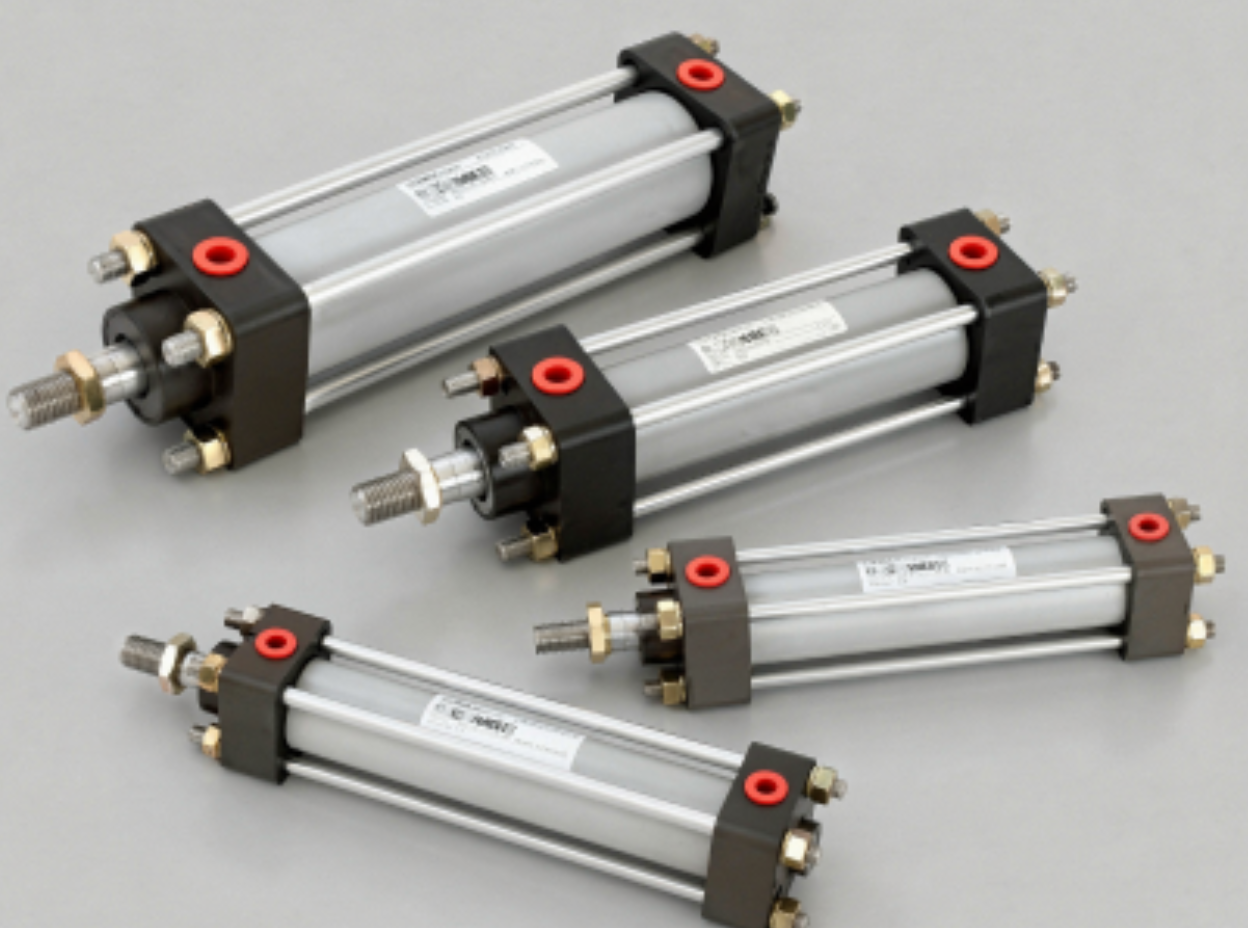
The high-pressure fluid enters the cylinder, pushing against a piston to lift a heavy load, press metal, or rotate a shaft. Once the mechanical action is complete, the spent oil exits the opposite side of the actuator and flows through a return line, passes through a filtration unit, and drains safely back into the reservoir.
The Main Types of Hydraulic Power Packs
Hydraulic units are categorized by their structural size, pressure capacity, and intended application ecosystem. Selecting the proper footprint prevents energy waste and system strain.
| Type | Reservoir Capacity | Pressure Range | Common Use Cases |
| Micro Units | 0.5 to 4 Liters | Up to 200 Bar | Small medical equipment, precise lab gates, niche automotive lifts. |
| Mini Units | 4 to 30 Liters | 150 to 250 Bar | Tail lifts, light dump trucks, small workshop presses, scissor tables. |
| Standard Units | 30 to 200+ Liters | Up to 350+ Bar | Large factory automation lines, plastic injection molding, heavy stamping. |
| Custom Engineered | Scalable | Configurable | Offshore oil rigs, major marine steering systems, massive civil infrastructure. |
Understanding The Primary Industrial Applications
1. Construction and Infrastructure
They drive the high-torque operations of excavators, trenchers, and concrete pumps. They are also widely utilized in scissor lifts, material handling lifters, and mobile cranes.
2. Manufacturing and Automation
Within production plants, they operate heavy assembly presses, sheet metal bending machines, and automated clamping systems. Their ability to maintain consistent, non-pulsing force makes them vital for high-precision injection molding.
3. Aerospace and Marine Operations
Large marine vessels deploy custom units to operate massive rudders, anchor winches, and cargo doors. In aerospace settings, specialized ground support units test commercial aircraft landing gear and wing flap actuation before flight.
Maintenance Best Practices for Longevity
Neglecting a power unit can lead to cavitation (imploding air bubbles that erode pump components), overheating, or valve sticking. Follow this regular checklist to ensure operational uptime:
- Monitor Fluid Levels and Temperature
- Implement Routine Filtration Swaps
- Inspect Seals and Hoses
When sourcing heavy machinery, working with a reliable distributor ensures you receive units built to withstand harsh operating conditions. Finding a premium hydraulic power unit in the UAE requires choosing a vendor that balances rugged engineering with long-term regional component support.
Choose Dynamic Industries for Elite Engineering
When your industrial operations demand unyielding reliability, finding top-tier equipment is non-negotiable. Dynamic Industries specializes in delivering high-performance fluid power solutions tailored to your exact operational parameters. Whether you need a standardized configuration or a custom-designed setup engineered for extreme environments, our expert team provides unmatched technical advice, rapid deployment, and dedicated aftermarket servicing.
Explore our full lineup of engineering services and find the most reliable hydraulic power unit in the UAE by viewing our comprehensive product specifications.
Frequently Asked Questions
Fluid contamination from dirt, moisture, or particulate debris causes over 80% of system failures. Contaminants scratch internal pump surfaces and clog delicate control valves, leading to massive internal pressure loss.
As a general baseline rule, a standard reservoir should hold three to five times the pump’s output flow rate per minute, allowing the fluid ample time to settle, cool, and degas.
Yes, provided it is designed with an integrated air or water heat exchanger. Continuous duty cycles require active cooling to keep fluid temperatures within the recommended safe operating threshold.
Electric units operate quietly and emission-free, making them ideal for indoor factories. Gas or diesel units offer complete portability, making them perfect for remote construction sites lacking electrical grids.
Under normal industrial operating conditions, change the fluid every 2,000 to 4,000 operational hours, or at least once a year, backed by periodic fluid analysis testing.